
Building an Intercontinental Research Infrastructure
Australia and Europe Join Forces to Tackle Challenges in Health and Life Sciences
December 15, 2025
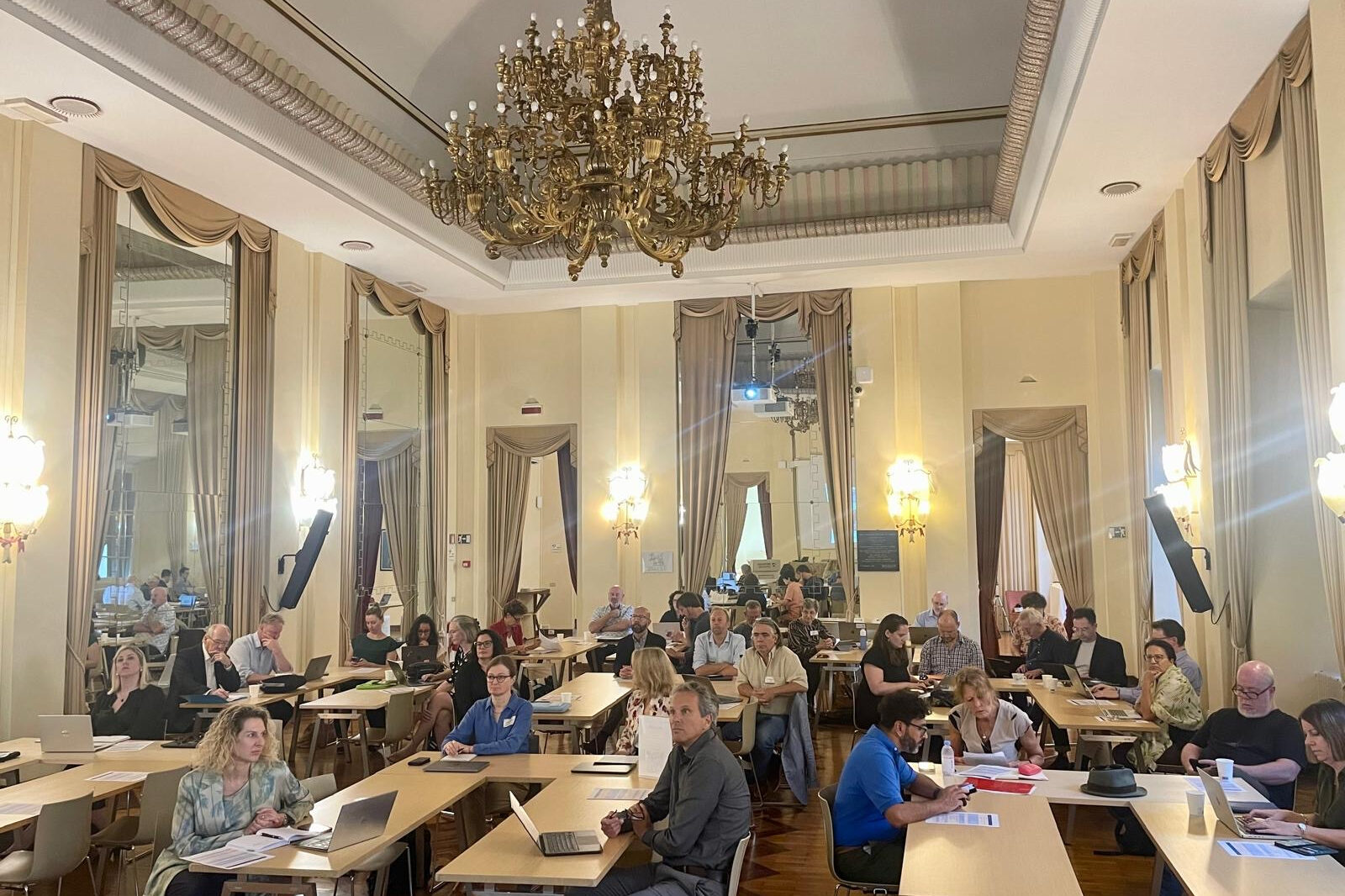
As health and life sciences enter an era defined by emerging global threats, progress increasingly depends on research infrastructures working seamlessly across borders. International collaboration between research infrastructures (RIs) plays a strategic role in providing the tools, expertise and platforms that enable world-leading discoveries.
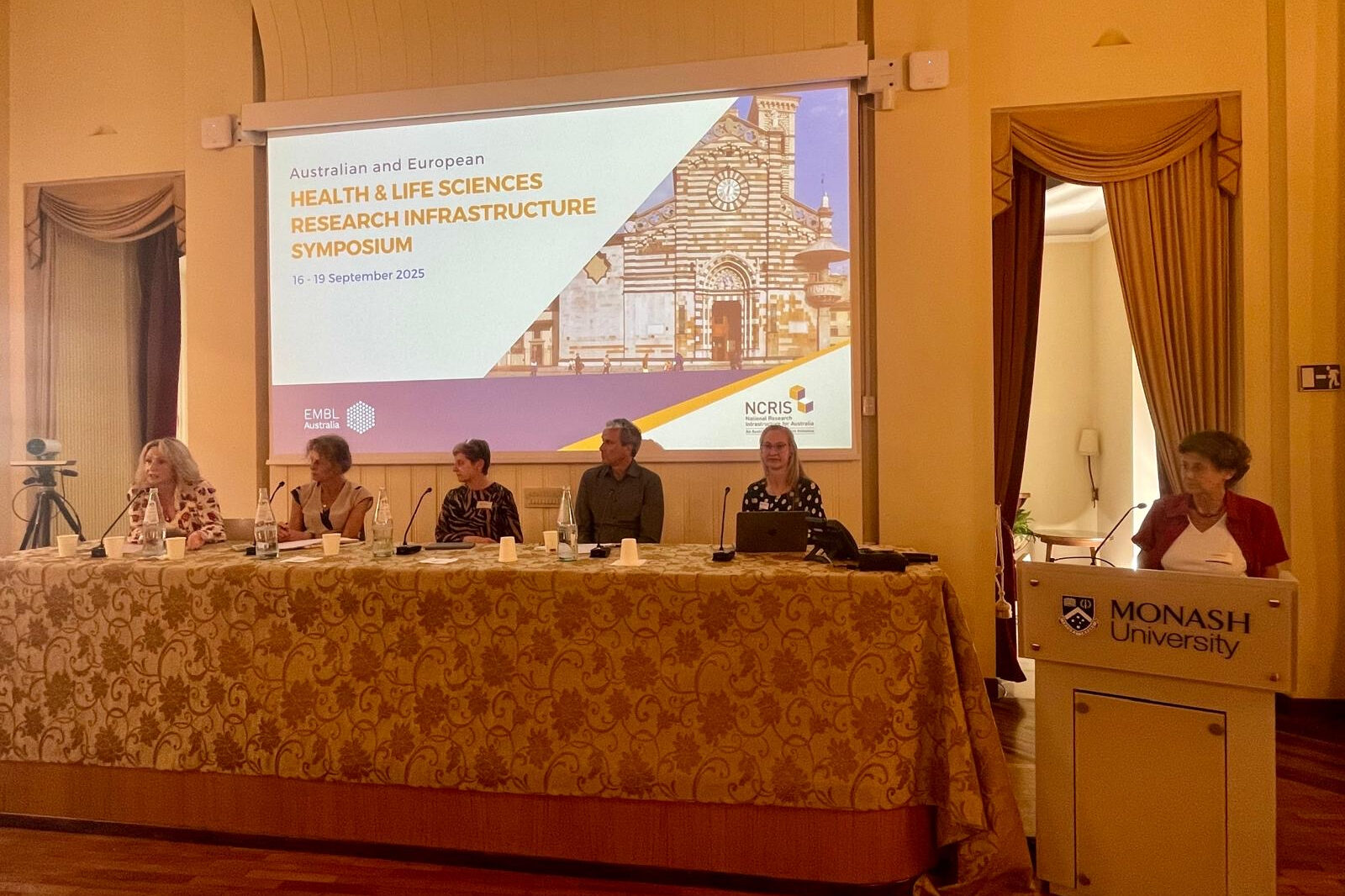
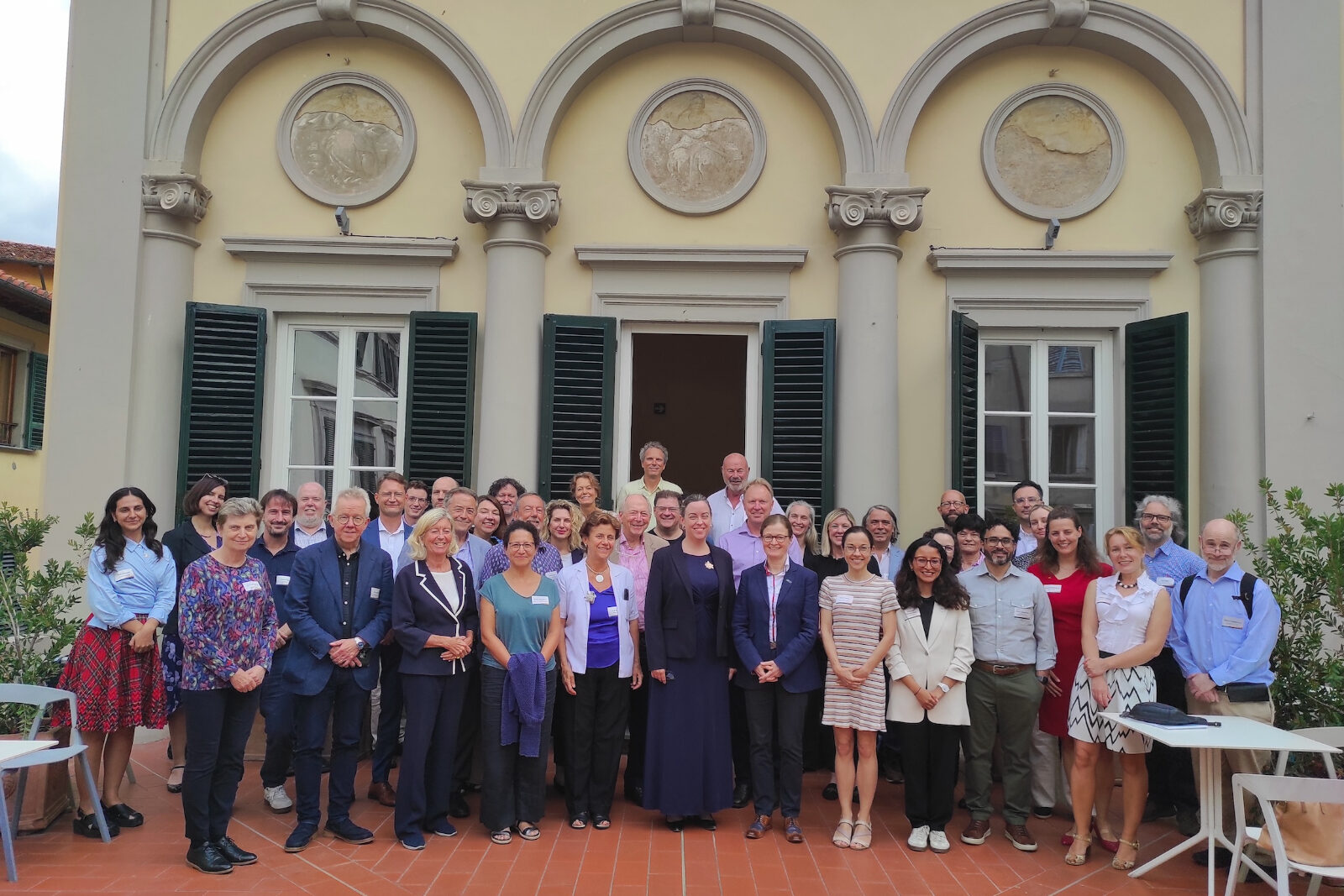
It is within this context that Australian and European RI leaders have been working together to better understand the challenges ahead and to establish deeper cooperation, joint programmes and the sharing of best practices. Much of this work has been driven by the Australia–Europe Health Research Infrastructure Symposium series, most recently hosted in Prato in September 2025. A white paper released following the latest meeting captures many of these shared insights and offers further recommendations for strengthening collaboration.
Shared priorities for a connected research future
Discussions across the dialogue series have revealed strong alignment on the areas where collaboration can make the greatest difference. A skilled and mobile workforce is seen as central to maintaining global capability, and both regions recognise the need to expand training and exchange opportunities. There is similar agreement on the importance of integrated innovation pipelines that enable ideas to move from discovery to translation through shared platforms and links with industry. Data interoperability is another major focus. With modern life sciences increasingly dependent on large-scale datasets, partners emphasise the need for systems that allow data to be accessed, reused and combined internationally. Artificial intelligence adds further urgency. Building AI-ready infrastructure while ensuring the ethical and secure use of data has emerged as a shared priority across both continents.
At the same time, leaders acknowledge persistent barriers: limited funding instruments for international cooperation, legal complexities that restrict reciprocal access, and the need for clearer recognition of research infrastructure careers. Addressing these issues will be key to maintaining scientific momentum.
The symposium series: building trust, alignment and ambition
Organised by international partners including EMBL Australia, PHRN, ERIC Forum, BBMRI-ERIC, INFRAFRONTIER and Bioplatforms Australia, the meetings have brought together RI leaders, policy-makers and experts from across both regions.
At the most recent symposium, Dr Michael Raess, Administrative Managing Director of INFRAFRONTIER, chaired the second day of discussions together with Andrew Gilbert (Bioplatforms Australia). Dr Raess also contributed as a panellist in the session “Leadership, policy and sustainability”, bringing a European research infrastructure perspective to discussions on long-term governance, funding stability and international alignment.
Across three editions, the series has helped forge genuine trust and alignment. It has provided a platform for coordinated action on AI, data, innovation, workforce development and wider strategic issues such as science diplomacy and research governance. What is clear from the dialogue to date is that Australia and Europe share not only common challenges but also complementary strengths. By deepening their connections, both regions are helping ensure that their researchers, and their research infrastructures, remain globally integrated, competitive and prepared for the scientific opportunities and crises of the future.